Environmental Challenges in Redevelopment Projects
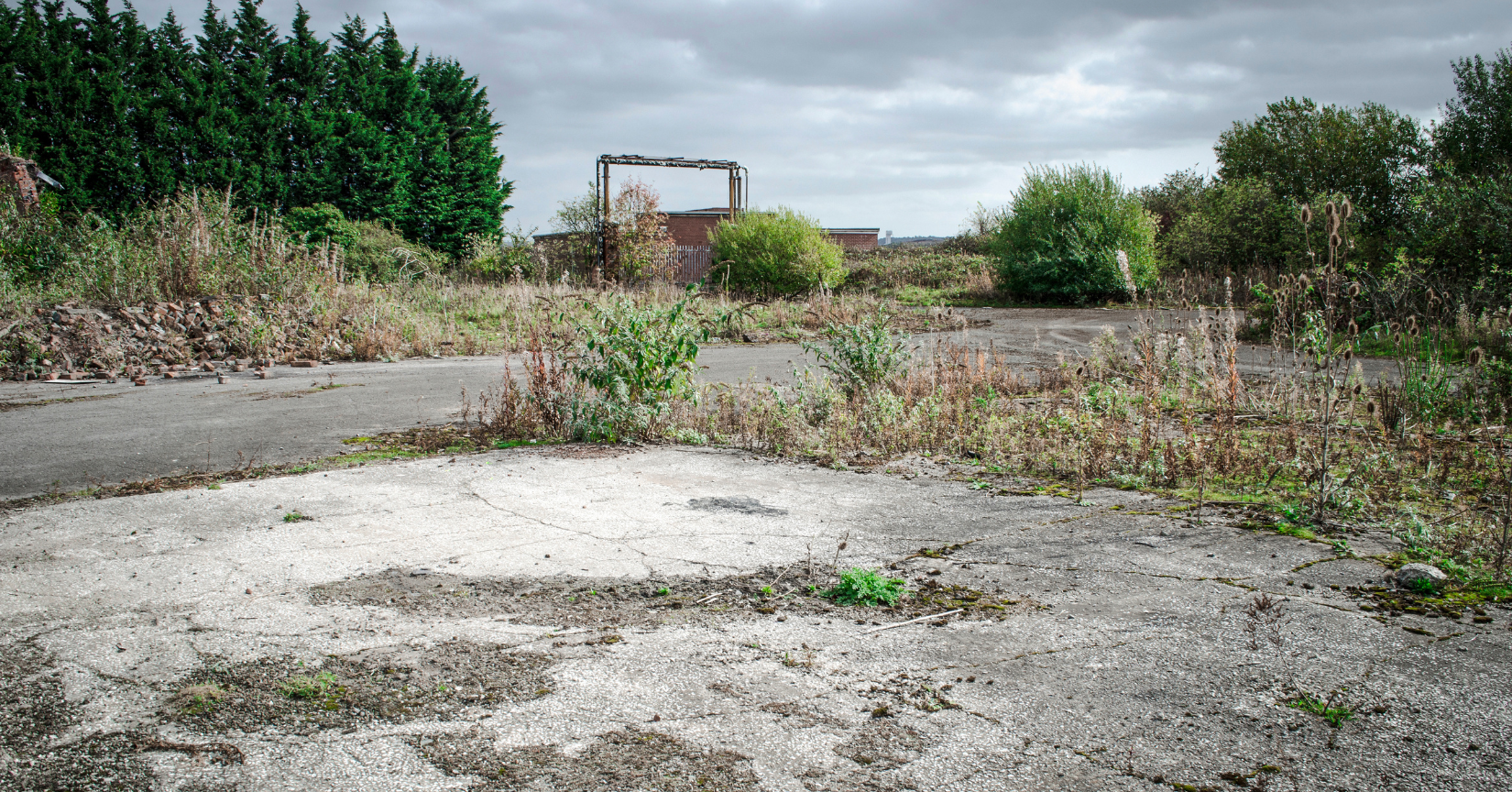
Redevelopment is a powerful way to revitalize underutilized or abandoned properties. These projects face complex environmental hurdles. Knowing how to navigate such hurdles requires a proactive approach, clear due diligence, and the right project partner.
Blog Highlights
This blog explores:
- Common environmental challenges in redevelopment projects
- Why early identification is crucial
- Strategies to mitigate risk and reduce delays
Key Environmental Challenges in Redevelopment Projects
Redevelopment sites, especially those with industrial, commercial, or manufacturing histories, often pose environmental risks. These risks can jeopardize project timelines and pose long-term safety concerns. To move forward with confidence, developers must thoroughly assess a property's history, evaluate current subsurface conditions, and ensure compliance with environmental regulations at all levels.
Many brownfield redevelopment properties are burdened by contamination from previous site activities. Contamination is one of the most persistent challenges in the redevelopment process. When contaminants are suspected or confirmed, in-depth environmental site assessments and, in many cases, remediation plans are necessary to proceed safely and to reduce overall liability[3].
There are several recurring environmental issues common to redevelopment that require early identification to avoid project delays, unmanageable costs, and liabilities:
1. Recognized Environmental Conditions (RECs)
During the Phase I Environmental Site Assessment, Recognized Environmental Conditions (RECs), which refer to the presence, likely presence of hazardous materials or the potential threat of their release, are identified [4]. RECs signal the need for deeper investigations to align with environmental due diligence. This early identification helps manage potential cost or schedule impacts [1].
2. Vapor Intrusion Risks
Even after initial remediation is complete, some contaminants are able to migrate into buildings as vapor. Volatile organic compounds (VOCs) can move through soil and groundwater, accumulate indoors, and present public health risks. This issue is particularly relevant in urban redevelopment as new buildings may be constructed on or adjacent to impacted areas. Proper assessments and mitigation planning are needed here to align with health and safety standards [5].
3. Regulatory Complexity
Beyond environmental risks, regulatory compliance presents its own array of challenges. Redevelopment projects must align with a complex set of local, state, and federal requirements, from land use approvals and permitting to cleanup standards and stakeholder engagement. Navigating this landscape demands both technical expertise and strategic planning. Projects that fail to address these complexities up front can succumb to costly setbacks, unexpected penalties, or community pushbacks that could be avoided with upfront proactive coordination.
Why These Challenges Matter
Environmental issues are among the most common and disruptive causes of project delays. However, they are also among the most manageable when addressed early.
Contamination, regulator complications, and unknown site conditions have the ability to severely impact both the timeline and financial outlook of redevelopment efforts.
These disruptions can include:
- Unexpected cleanup needs or permitting deferment, stalling construction, leading to inflated costs.
- Liability concerns may deter lenders, investors, or public partners.
- Community and stakeholder trust can erode if environmental risks are mishandled.
For municipalities, developers, and property owners, early risk management helps protect outcomes and return on investment.
How to Mitigate Environmental Risks in Redevelopment
The most successful redevelopment projects begin with clarity and control. Taking a proactive approach to site assessments and aligning with trusted experts can make a notable difference.
1. Start with Due Diligence
Begin with Phase I and II Environmental Site Assessments to uncover risks. These findings help inform project design, budgeting, and permitting strategy — reducing surprises during construction.
2. Apply Risk-Based
In various instances, safe redevelopment can proceed without full remediation. A strategic risk-based approach to remediation, supported by regulatory guidance, positions teams to effectively address and prioritize vulnerabilities without unnecessary excavation or disposal[2].
3. Plan with Purpose
Fully tailored remediation consistently aligns with a site's intended use. This not only streamlines the permitting process but can also open the door to brownfield tax credits or redevelopment grants.
How APEC Supports Redevelopment & Site Assessments
At APEC, we help our clients move from uncertainty and liability to opportunity. Whether you're tackling brownfield redevelopment or exploring adaptive reuse, our team brings the environmental expertise to assess risks and support informed decisions.
From evaluation site history and subsurface conditions to helping navigate regulatory paths, we deliver insights that align with your goals. Our approach is flexible, responsive, and tailored to the complexities of each project.
Learn more about our redevelopment and brownfield services →
References
- ASTM International. (2021). Standard practice for environmental site assessments: Phase I environmental site assessment process (ASTM E1527-21). https://www.astm.org/e1527-21.html
- Indiana Department of Environmental Management. (2023). Brownfields program. https://www.in.gov/idem/brownfields/
- U.S. Environmental Protection Agency. (2024). Brownfields and land revitalization. https://www.epa.gov/brownfields
- U.S. Environmental Protection Agency. (2024). Revitalization-Ready guide: Chapter 3 – Reuse assessment. https://www.epa.gov/land-revitalization/revitalization-ready-guide-chapter-3-reuse-assessment
- U.S. Environmental Protection Agency. (2024). Technical guide for assessing and mitigating the vapor intrusion pathway from subsurface vapor sources to indoor air. https://www.epa.gov/vaporintrusion/technical-guide-assessing-and-mitigating-vapor-intrusion-pathway-subsurface-vapor